Better Ideas Start With Better Meetings
Learn how to run brainstorming sessions that actually lead to new ideas and help your team think with clarity and purpose.
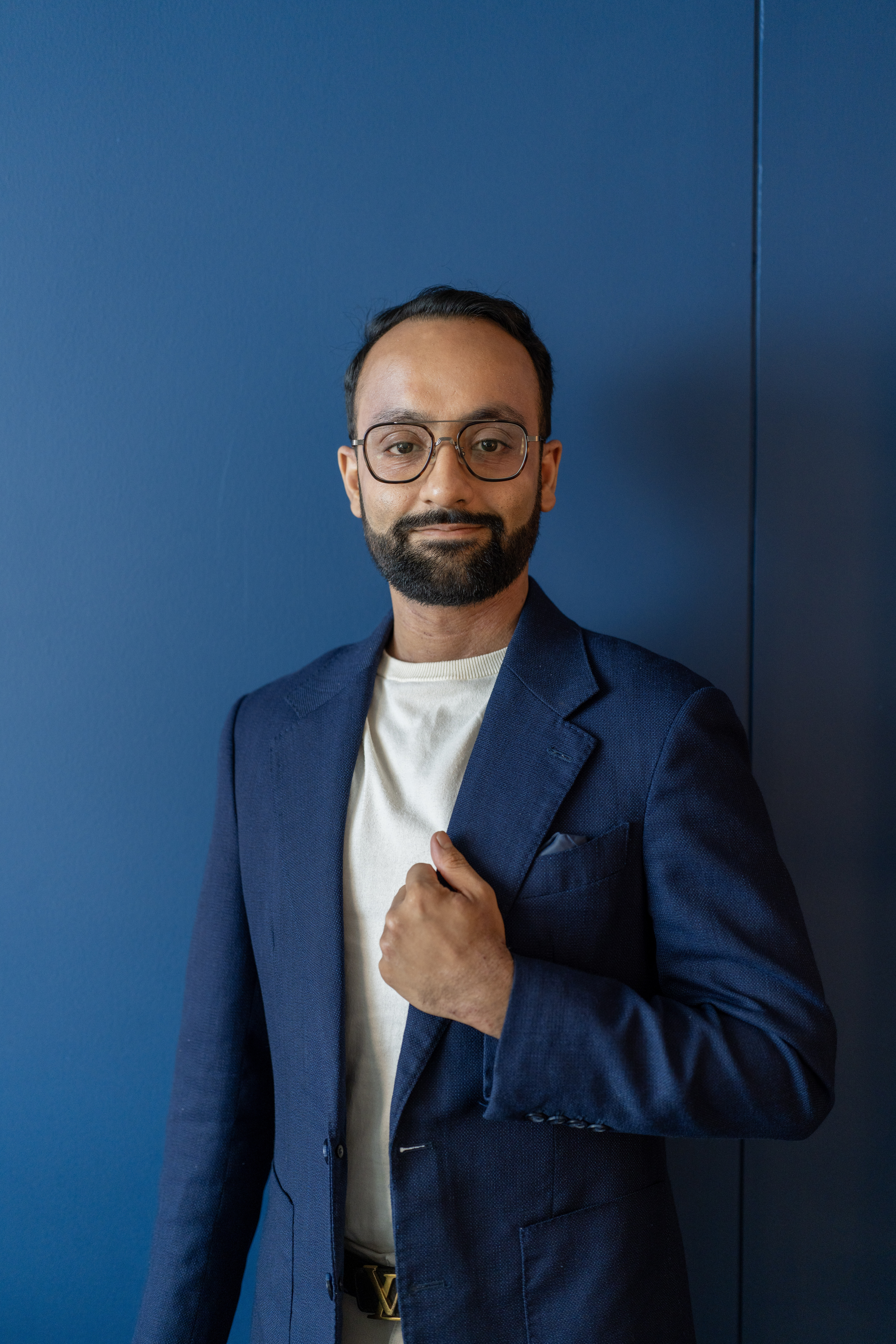
Alvin Kantapura
CEO of Nexus AI
ผลผลิต
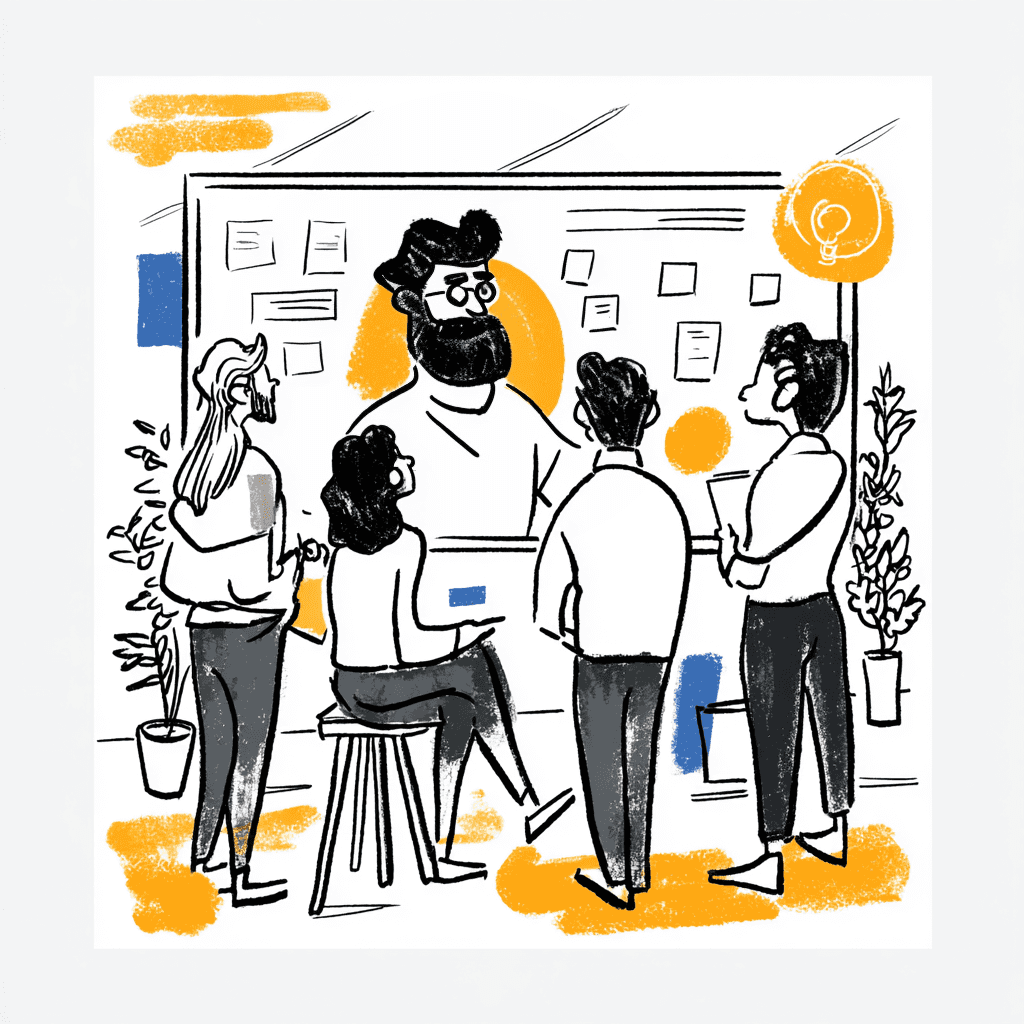
The next idea that could transform your business is waiting to be discovered
A good brainstorming session always ends somewhere unexpected. You find something new. You discover a better way of doing things. That’s the goal.
But here’s the truth. Companies spend countless hours brainstorming every year, yet very few of us are ever trained to run them well. So many sessions end with people talking, nodding, and then forgetting everything the moment they step out. Teams walk back to their desks and continue doing the same thing they did before.
It doesn’t have to be that way.
I learned how to run effective meetings from my years in consulting. In strategy consulting, being a strong facilitator is non-negotiable. You get trained for it. You practice it. You live it. And these lessons still guide how we run brainstorming sessions at Nexus today — including our recent Product Roadmap Workshop.
————
New ideas are messy, don't panic
It starts with an understanding that brainstorm meetings are meant for discovering new ideas. The process is messy. Things feel unclear before they make sense. You will question yourself halfway through and wonder, “Are we wasting time?”
You’re not. You’re wandering through many paths to find the few that matter.
Your job as a facilitator is to create space for those paths to emerge. Think of it like turning on a tap that hasn’t been used in a while. The first water that comes out isn’t clean. It’s residue. Old thoughts. Stale ideas. Let it run. Only after that flow clears will the fresh ideas appear.
The same is true in brainstorming. People need time to warm up. Their first ideas are usually old thoughts they’ve carried for weeks. Once those are out of the way, new thinking begins.
————
Why facilitators matter
And this is why the facilitator is the most important part of the session.
A great meeting starts before the meeting. The prep determines the quality of the outcome.
Choose the right people.
Keep the group small — ideally under 12.
Make sure everyone has something meaningful to contribute.
Don’t invite someone just because they have a big title.
One disengaged participant can derail the entire room.
A diverse mix of viewpoints works best.
Once you have the right people in the room, you must align them on the same page.
My preferred way of doing this is through a 2-3 pager document on the key things they must know before we commence the meeting. If you prefer slides, my advice would be keep it short and succinct. Use these briefing documents to set up the meeting, avoid adding too much opinion because you want to generate those during the meetings without biasing the attendees.
The goal is to give context, not push opinions. Keep the document factual and frame the core questions we hope to solve.
————
Structure the day and plan the logistics
If it’s a long session, plan the structure and logistics too.
In our Product Roadmap Workshop, we ran a full-day brainstorm. So I broke it into clear segments and fixed break times. This avoids people wandering in and out and breaking the flow.
If its a full day event, I would also recommend planning out the logistics of lunch and coffee as well. For our workshop, I made sure we pre-ordered healthy bowls for lunch for two reasons, first was that it was a light meal options that wouldn’t make people sleepy after lunch and second reason was that pre-ordering these things allowed us to forget about it during the day and spend all our cognitive load on the task at hand not thinking “what are we having for lunch?”
With that prep done, you’re ready.
————
On the day of the session
On the day itself, we start with 15 minutes of guided meditation to ground everyone.
No phones. No notifications. Just focus.
Then we ask each person to set an intention for the day. What do they want to walk away with? We write every intention on the board. At the end, we revisit them to see if the session delivered.
We also rely heavily on Nexus AI during the workshop. It records everything so the conversation stays natural. No one needs to type notes or break their flow.
Pro tip: upload all pre-read materials into Nexus before the session. The AI produces far better summaries when it has full context.
During the session, encourage different viewpoints. Pull quiet people in. Slow down loud voices. And most importantly, remove judgement.
————
The golden rule: no bad ideas
Remember, there’s NO BAD IDEA.
During the brainstorming phase, we’re trying to put ALL the ideas on the table.
This is not a prioritization activity, so avoid using negative words like:
“I have concerns”
“I am worried if we do [this] then [that]”
“is this realistic?”
Brainstorm is for generating MAXIMUM AMOUNT of ideas.
You will have time to KILL ideas later during the prioritization stage.
With these tips implemented, you are sure to have a great brainstorming session with your team!
————
The real work happens after the meeting
But a great brainstorming session doesn’t end when the meeting is over. Most of the work happens after the meeting is completed.
With all the possible ideas on the table recorded into Nexus, after the meeting it is the facilitator’s job is to:
organize the ideas
clean up the thinking
prioritization what the team needs to act on
track progress
Nexus makes this part far easier. When you’re deep in conversation, you forget things. You miss details. You only remember the ideas you liked. But the AI doesn’t forget anything.
I always read the summary, ask follow-up questions, and revisit the transcript to rebuild the full picture. This helps me turn raw ideas into a clear thinking for prioritization.
Nexus makes sure no details are lost. If I relied on my memory, I might forget critical facts which puts the entire process at risk or I might only remember the ideas I liked and forget the rest, that also doesn’t lead to best idea winning.
Brainstorming meetings consume a lot of time, so make sure you are able to capture the most out of it because you don’t want to miss out on great ideas!
————
With these tools and habits, I hope your next session leads you to a breakthrough.
Go hunt for the wild ideas. They’re out there.